Loading Tutorstips...
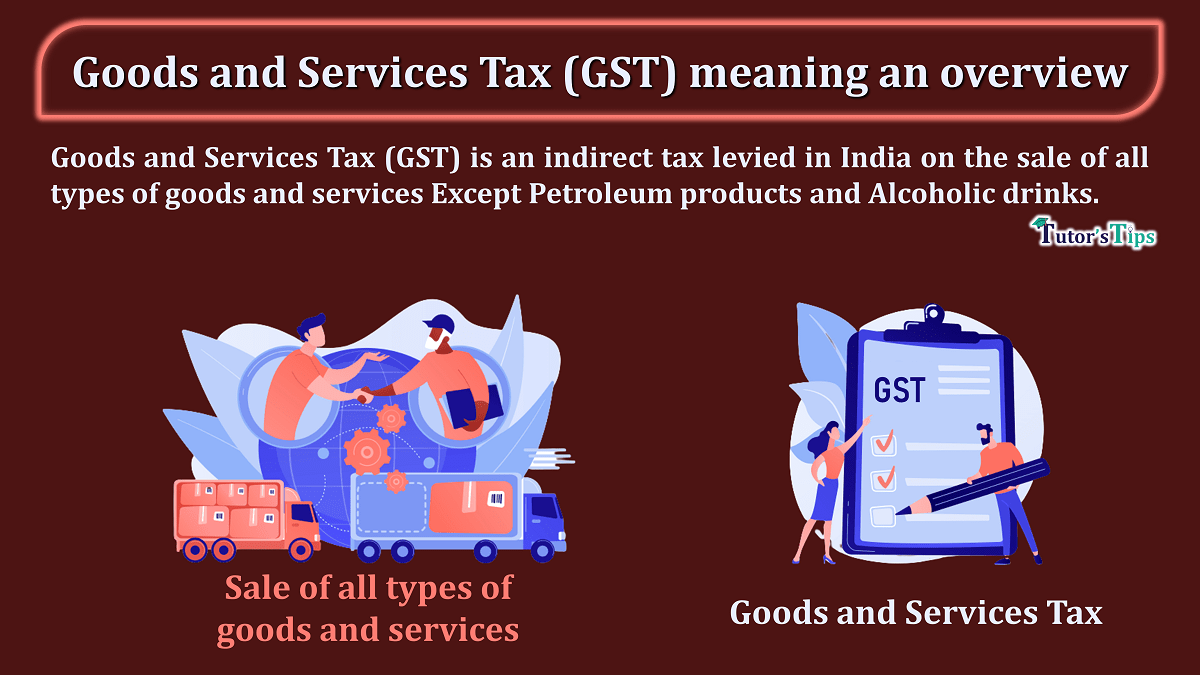
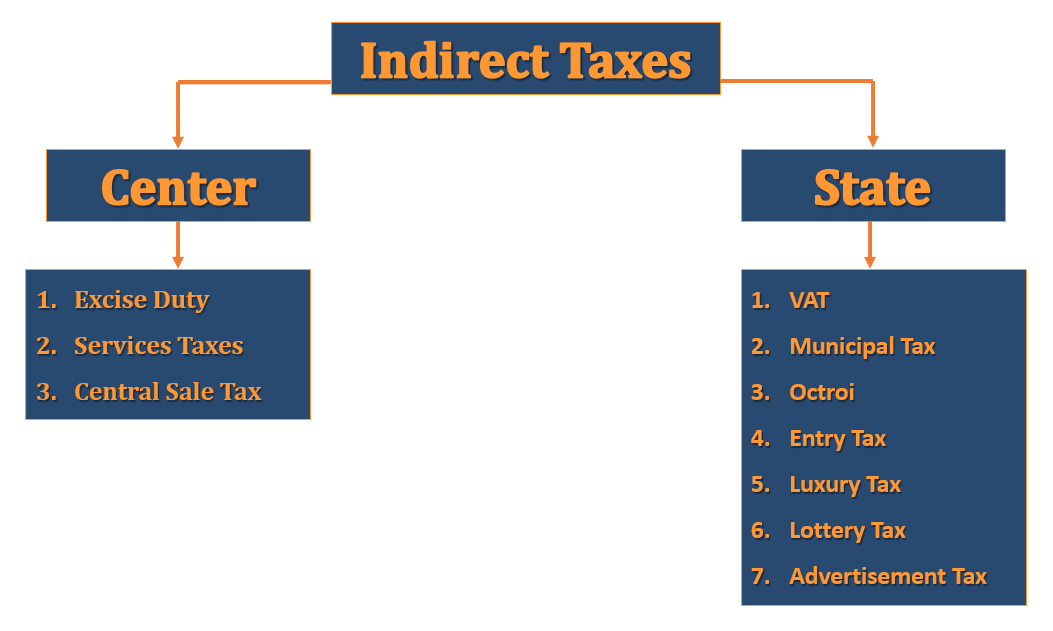
Goods and Services Tax (GST) is an indirect tax that is applicable to the sale of all types of goods and services within India. Petroleum products and Alcoholic drinks are not included and these are taxed separately by the individual state governments. GST Bill was passed by the members of LOK Sabha and RAJAY Sabha, it was launched on 1 July 2017.
Before the GST, there was a tax named (VAT) value-added tax. In this tax, there was a problem of double tax (Excise duty + VAT) charged by the seller. We can say that consumers had to pay tax on tax. It is also known as the cascading effect of taxes.
The application of VAT is different for different goods. There was a variation in tax rates (different tax rate in each state).
Central Excise Duty, Duties of Excise, Additional Duties of Excise, State VAT, Central Sales Tax, etc. are some Taxes that are imposed before GST.
Feature of GST:
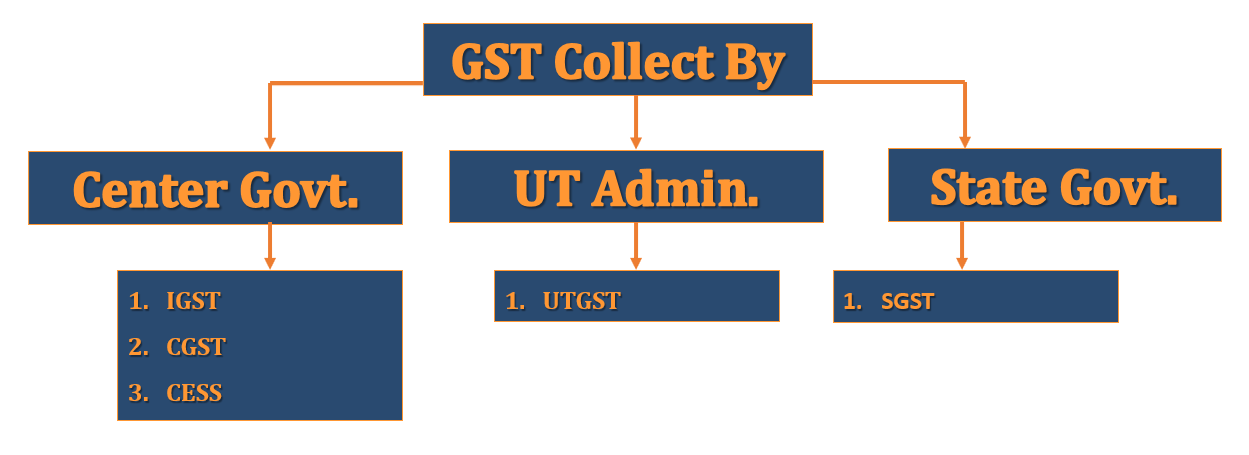
IGST Collected by central but it will share with the state where the actual consumption of goods was made by the consumer.
| Meaning | It refers to indirect tax applicable on the supply of all type of goods and services. |
Value Added tax refers to indirect tax applicable at the time of sale of goods |
| Tax rate | Tax rates are equal for all types of goods and services. | VAT is different for a different state. |
| Tax Authority | The authority of GST is in the hands of the State and central government and the total tax is shared by both governments. | The state government collects all revenue and overall control is also in the hands of the state government. |
| Payment | Both online and offline options are available for the payment of GST. | Only one option (offline) payment mode was there in VAT. |
| Example |
Suppose, The dealer in Ludhiana makes a sale of garments to a dealer in Chennai. GST rate is 8%, so 8% IGST will be applicable. |
For example, A dealer pays Rs. 20.00 @ 20% |
For Download EBook of GST In India Click on it
Business Studies Educator
Mrs. Amanpreet Kaur holds a BBA and MBA degree and has over 10 years of teaching experience in business studies and management concepts.
What is the Goods and Services Tax (GST)? Goods and Services Tax (GST) is an indirect tax that is applicable to the sale of all types of goods and services…
Class 11 and Class 12 commerce students, and CA Foundation aspirants, studying Business Studies Class 12.
Yes — this page includes a short interactive quiz so you can check your understanding straight away.